
Breast Augmentation Recovery Tips: Bloating, Swelling and Sleep
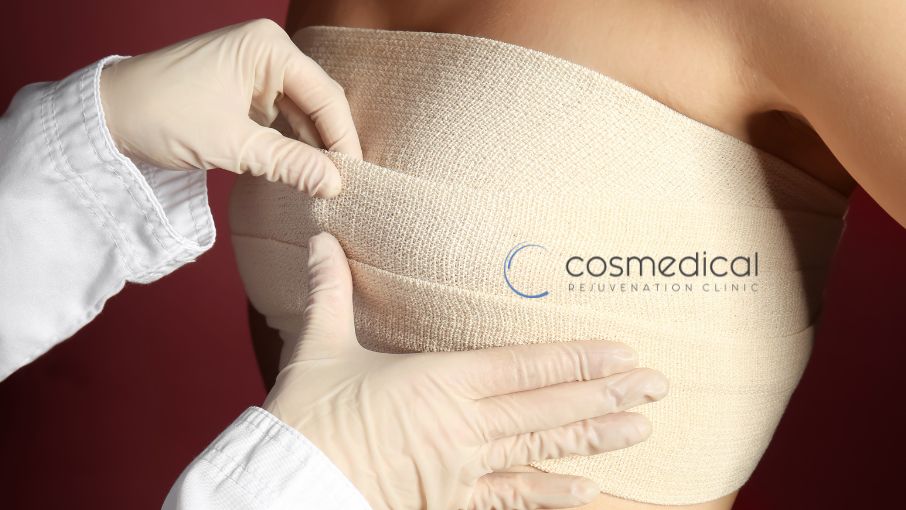
Most women recover quickly after breast augmentation, but the first days bring a few common discomforts. These tips from Dr. Atul Kesarwani cover bloating, alcohol, swelling and sleeping on your back.
Breast Augmentation Tips: Fight Bloating After Breast Augmentation Surgery. How Long Does Stomach Bloating Last After Breast Augmentation?
A common post-surgical discomfort for women who have just undergone breast augmentation with implants is stomach bloating. Some women are surprised to find that they look heavier than they did pre-surgery. (Some are also told by their scales that they had added a bit of weight.)
After surgery, swelling is common. This is a natural reaction to any trauma, including that which is caused by surgery. While swelling is in the area of the surgery (the chest), the force of gravity can cause the accumulated fluids to go downward, into the mid-section.
Another common cause of breast augmentation post-op bloating is decreased intestinal function due to prescribed pain medications. Dr Kesarwani may recommend taking stool softeners and laxatives to help stimulate the digestive tract and induce more frequent bowel movements.
Reduce Stressors
One of the best methods to help ensure that your stomach bloating goes down as quickly as possible following breast augmentation surgery is to control and reduce stressors. Often women have worries about the results of the cosmetic surgery, as well as the healing of the surgical site. All of this stress becomes psychosomatic and your body will start to show signs of it. One of those signs is bloating. You are already under a serious amount of physical stress from the surgery, so the absolute best thing you can do your for your stomach (and your entire body) is to relax!
There is little reason to worry, as breast augmentation is a common surgery with an extremely high satisfaction rate. What you can do to combat bloating is to relax, drink plenty of fresh water, go to the washroom regularly and cut back on foods that promote bloating (ie sodium). Do your best not to worry about the plastic surgery procedure or the temporary bloating you are experiencing, as this will only exacerbate things. Focus your mind on something else; ensure you are taking the necessary steps and precautions to bring about a full and successful recovery—and let your body heal.
How Long After Breast Augmentation Can I Drink
Alcohol consumption can interfere with your recovery. It thins the blood, increasing your risk of bruising, bleeding and inflammation, as well as dehydrates you, which is detrimental to the healing process. It may also negatively interact with prescribed pain medications, increasing other risks to your health. For these reasons, you may need to avoid alcohol for a week or more, depending on how your recovery goes.
Four Ways to Reduce Swelling After You Undergo Breast Augmentation Canada
Cold packs: If the area feels tender or swollen, ice packs can be used to lessen the swelling and numb the pain. Because colder temperatures help to contract the blood vessels, it can provide some level of relief during the healing process.
Sitting/sleeping upright: In order to prevent fluid buildup that can lead to bruising, swelling, and pain make an effort to remain sitting upright for as much of the recovery phase as possible. You will need to sleep sitting upright or lying on your back so as to avoid putting any pressure on your breasts while healing.
Diuretics: Excess fluid retention in the body can also be greatly affected by the use of diuretics such as herbal and chamomile tea, water, and cranberry juice.
Limiting sodium intake: A low salt diet for the first few days following your plastic surgery procedure will help reduce fluid accumulation, easing pain and helping you feel more comfortable.
How to Sleep Comfortably on Your Back After Augmentation Mammoplasty: How To Lay After Breast Augmentation
Sleeping on your back is a must after breast augmentation (or any breast surgery for that matter) and is recommended by plastic surgeons for several reasons.
- It puts less pressure on incision lines so they heal better.
- It puts less pressure on your breasts, allowing tissues to heal properly.
- There's less risk of displacement and contour irregularities.
Here are 4 tips that you can do to help become a back sleeper after breast augmentation surgery:
Optimize your bed for back sleeping. This could mean getting a more comfortable mattress or adding extra pillows that can be placed around you. You may even want to put some light pillows on top of your body and face, to mimic that feeling of sleeping on your front.
Resolve any health issues that prevent you from sleeping on your back. Sometimes, the reason people sleep on their front is because they have back pain or other body pain that prevents them from sleeping on their back. See a doctor to discuss how you can resolve this pain.
Prevent yourself from sleeping on your front by making it extremely uncomfortable. Put awkward objects near you so that if you roll onto your front while you sleep, you'll roll onto those objects as well. This can help send a signal to your brain that it's uncomfortable.
Start practicing sleeping on your back as soon as possible. The earlier you do it before your breast augmentation, the more accustomed you'll become to it and make it a habit.
For more on sleep after surgery, read how to sleep after BBL or breast augmentation, and for drinking before surgery, see alcohol before surgery. Always follow the post-op instructions Dr. Kesarwani gives you.
Call (647) 493-8177